

Description
Behavior
Guppies are calm and friendly fish, making them great companions for other non-aggressive species. They are very social and enjoy being in groups, though they don’t follow any strict hierarchy or rules. This makes them perfect for community aquariums.
Male guppies are very active and often chase females to breed. While this is normal, it can be a bit stressful for the females if they don’t have enough hiding spots or if there are too many males in the group. To keep things balanced and everyone happy, it’s best to have one male for every 2 or 3 females.
Habitat
Guppies (Poecilia reticulata) naturally inhabit the warm rivers, streams, and ponds of South America and the Caribbean. These waters, often calm and slow-moving, provide a peaceful environment where these small, vibrant fish thrive. Their habitats are rich with aquatic vegetation, which plays a crucial role in their lives. The plants offer shelter from predators, safe areas for breeding, and a consistent supply of food in the form of microalgae and tiny organisms that live among the leaves.
The water in their natural habitat is typically clear and warm, with temperatures ranging between 22 and 28 degrees Celsius (72–82°F). While they prefer slightly alkaline water with a pH of 6.8 to 7.8, guppies are remarkably adaptable and can survive in a variety of water conditions. The water’s hardness is usually moderate to high, reflecting the mineral composition of the rivers and streams they call home.
The substrate of these bodies of water is often sandy or muddy, providing a fertile bed for aquatic plants and a habitat for small invertebrates that form part of the guppies’ diet. As opportunistic omnivores, guppies feed on a diverse range of food sources, including insect larvae, tiny crustaceans, algae, and decomposing organic matter. This varied diet is key to their resilience and ability to thrive in different environments.
Life in the wild is not without challenges. Guppies share their habitat with other fish species, amphibians, and small crustaceans, and they must constantly stay alert to avoid predators such as larger fish and water birds. These threats have shaped their natural behaviors, making them agile swimmers and prolific breeders. Their ability to reproduce quickly ensures the survival of their species, even under adverse conditions.
Seasonal changes also influence their habitat. During the rainy season, water levels rise, and fresh currents flow through their environment, oxygenating the water and allowing guppies to spread into new areas. This seasonal renewal provides opportunities for guppies to breed and expand their territory, showcasing their adaptability and exploratory nature.
Observing their natural habitat reveals how guppies are not just colorful and hardy fish but also remarkably well-adapted to dynamic and diverse ecosystems. Their ability to thrive in a wide range of conditions has made them a favorite among aquarists worldwide.
Habitats
Fish sharing this habitat
These fish appear in one or more habitats linked to this profile. It doesn't mean they are directly compatible in an aquarium.

Details
🌊 Water parameters
🐠 Minimum tank size
Breeding
Breeding guppies (Poecilia reticulata) is a fascinating and relatively simple process, as these lively fish are livebearers, meaning their young are born fully developed. With the right care and conditions, you can enjoy watching their natural reproductive behaviors and raising a new generation of colorful fish.
It all starts with selecting the parents. Ensure your guppies are healthy, active, and free from any signs of disease. Males are typically more colorful and have elaborate fins, while females are larger and less vibrant. To keep the females from becoming stressed due to constant chasing by the males, it's best to have at least two or three females per male. This balance encourages a healthier breeding environment.
The aquarium setup is crucial to success. A tank of at least 20 liters (5 gallons) is ideal, with clean, well-filtered water. Maintain the temperature between 24 and 28°C (75–82°F), as warmer water stimulates breeding. Adding plants like Java moss or hornwort is highly recommended. These plants not only beautify the tank but also provide essential hiding spots for the fry once they are born.
When the guppies are ready to breed, the male begins his courtship display. He flares his fins and swims in energetic patterns around the female to attract her attention. If the female is receptive, the male uses his gonopodium (a modified anal fin) to transfer sperm to the female. Remarkably, female guppies can store sperm and produce multiple broods from a single mating.
After a few weeks, you’ll notice the female’s body changing. Her belly will grow larger, and a dark gravid spot near her anal fin will become more pronounced, indicating the development of fry. As the birth approaches, the female may seek out a quiet spot in the tank.
The moment of birth is truly captivating. A single female can give birth to 20–50 fry (or even more, depending on her size and age). The fry are born fully formed and start swimming immediately. However, guppies, including the mother, may eat the fry if given the chance. To protect the newborns, you can move them to a separate tank or ensure there are enough plants in the main tank to provide hiding spots.
Feeding the fry is an essential part of their care. They need finely crushed food, such as powdered fry food, baby brine shrimp, or infusoria. Feed them several times a day to support their rapid growth and ensure they develop vibrant colors, reflecting the genetics of their parents.
Breeding guppies is not just a rewarding and educational experience, but it also allows you to observe their unique behaviors up close. With proper care, you'll soon have a lively and colorful tank full of thriving guppies.
Diet
They have an omnivorous diet that allows them to enjoy a wide variety of foods. In their natural habitat, they typically feed on small insects, larvae, and algae, but in an aquarium setting, you can easily replicate this diversity.
To start, you can offer them flakes or pellets specially formulated for tropical fish, as these are designed to provide the essential nutrients they need. However, it’s important to supplement their diet with fresher and more varied options. For instance, live or frozen foods like brine shrimp, daphnia, or mosquito larvae are excellent sources of protein and essential nutrients. You can also include plant-based foods like blanched spinach or zucchini, which provide fiber and vital vitamins.
For occasional treats, a small amount of hard-boiled egg yolk or finely crushed oatmeal can be a good choice. Additionally, spirulina algae, whether in powder or flake form, is particularly beneficial for enhancing their colors and boosting their immune system.
The best approach is to feed them several times a day in small portions, ensuring no food is left uneaten to avoid polluting the water. With a balanced and varied diet, your guppies will thrive, displaying vibrant colors and staying healthy and energetic.
What about your tank?
Enter your tank's values to see only the compatible species that fit them. Litres apply to fish.
Compatible fish
General guidance based on water parameters, behaviour and known exceptions; always review the individual animals' and aquarium's specific needs.

They share water: pH 7–7.5 and 20–28 °C.

They share water: pH 7–7.5 and 20–28 °C.

They share water: pH 7 and 24–28 °C. They only meet at the very edge, so the tank has to hold that value.

They share water: pH 7–7.5 and 22–27 °C.

They share water: pH 7–7.5 and 24–28 °C.

They share water: pH 7 and 22–28 °C. They only meet at the very edge, so the tank has to hold that value.

They share water: pH 7 and 23–28 °C. They only meet at the very edge, so the tank has to hold that value.

They share water: pH 7 and 22–28 °C. They only meet at the very edge, so the tank has to hold that value.

They share water: pH 7–8 and 20–26 °C.

They share water: pH 7–7.5 and 24–28 °C.

They share water: pH 7 and 23–28 °C. They only meet at the very edge, so the tank has to hold that value.

They share water: pH 7 and 23–28 °C. They only meet at the very edge, so the tank has to hold that value.

They share water: pH 7 and 20–28 °C. They only meet at the very edge, so the tank has to hold that value.

They share water: pH 7–8 and 26–28 °C.

They share water: pH 7–7.8 and 20–25 °C.

They share water: pH 7 and 20–28 °C. They only meet at the very edge, so the tank has to hold that value.

They share water: pH 7 and 24–26 °C. They only meet at the very edge, so the tank has to hold that value.

They share water: pH 7–7.5 and 22–27 °C.

They share water: pH 7–7.5 and 26–28 °C.

They share water: pH 7–7.5 and 27–28 °C.

They share water: pH 7–7.5 and 26–28 °C.

They share water: pH 7–8 and 27–28 °C.

They share water: pH 7 and 24–28 °C. They only meet at the very edge, so the tank has to hold that value.

They share water: pH 7–8 and 22–26 °C.

They share water: pH 7 and 24–27 °C. They only meet at the very edge, so the tank has to hold that value.

They share water: pH 7–8 and 24–28 °C.

They share water: pH 7–8 and 24–26 °C.

They share water: pH 7–8 and 22–26 °C.

They share water: pH 7–7.5 and 20–25 °C.

They share water: pH 7–7.5 and 24–28 °C.

They share water: pH 7.5–8 and 23–28 °C.

They share water: pH 8 and 23–27 °C. They only meet at the very edge, so the tank has to hold that value.

They share water: pH 8 and 23–27 °C. They only meet at the very edge, so the tank has to hold that value.

They share water: pH 7–8 and 21–28 °C.

They share water: pH 7–8 and 20–28 °C.

They share water: pH 7.5–8 and 23–27 °C.

They share water: pH 7–7.5 and 23–28 °C.

They share water: pH 7–7.5 and 20–28 °C.

They share water: pH 7–8 and 22–27 °C.

They share water: pH 7–8 and 24–28 °C.

They share water: pH 7–7.8 and 21–28 °C.

They share water: pH 7.5–8 and 23–27 °C.

They share water: pH 7–8 and 21–28 °C.

They share water: pH 7–7.5 and 18–24 °C.

They share water: pH 7.2–8 and 24–28 °C.

They share water: pH 7.6–8 and 24–28 °C.

They share water: pH 7 and 23–28 °C. They only meet at the very edge, so the tank has to hold that value.

They share water: pH 7 and 27–28 °C. They only meet at the very edge, so the tank has to hold that value.

They share water: pH 7–7.5 and 24–28 °C.

They share water: pH 7–8 and 24–28 °C. They only meet at the very edge, so the tank has to hold that value.

They share water: pH 7–8 and 18–28 °C.

They share water: pH 7–8 and 22–25 °C.

They share water: pH 7 and 26–28 °C. They only meet at the very edge, so the tank has to hold that value.

They share water: pH 7–8 and 22–27 °C.
They share water: pH 7–8 and 22–28 °C.

They share water: pH 7–7.5 and 25–28 °C.

They share water: pH 7–8 and 22–28 °C.

They share water: pH 7–7.5 and 22–28 °C.

They share water: pH 7–7.5 and 22–28 °C.

They share water: pH 7–7.5 and 24–28 °C.

They share water: pH 7–7.5 and 24–28 °C.

They share water: pH 7 and 24–28 °C. They only meet at the very edge, so the tank has to hold that value.

They share water: pH 7 and 22.2–28 °C. They only meet at the very edge, so the tank has to hold that value.

They share water: pH 7–7.5 and 26–28 °C.

They share water: pH 7–7.5 and 22–28 °C.

They share water: pH 7–7.5 and 23–28 °C.

They share water: pH 7 and 23–28 °C. They only meet at the very edge, so the tank has to hold that value.

They share water: pH 7–7.5 and 23–28 °C.

They share water: pH 7–7.5 and 22–28 °C.

They share water: pH 7–7.5 and 22–28 °C.

They share water: pH 7–7.5 and 24–28 °C.

They share water: pH 7–7.5 and 24–27 °C.

They share water: pH 7–8 and 22–26 °C.

They share water: pH 7.7–8 and 23–28 °C.

They share water: pH 7 and 24–26 °C. They only meet at the very edge, so the tank has to hold that value.

They share water: pH 7.5–8 and 23–27 °C.

They share water: pH 7–7.5 and 25–27 °C.

They share water: pH 7–7.6 and 24–27 °C.

They share water: pH 7–8 and 22–28 °C.

They share water: pH 7 and 24–28 °C. They only meet at the very edge, so the tank has to hold that value.

They share water: pH 7–8 and 22–28 °C.

They share water: pH 7–8 and 26–28 °C.

They share water: pH 7–7.3 and 24–28 °C.

They share water: pH 7–7.5 and 22–26 °C.

They share water: pH 7.5–8 and 24–28 °C. They only meet at the very edge, so the tank has to hold that value.

They share water: pH 7.5–8 and 24–28 °C. They only meet at the very edge, so the tank has to hold that value.

They share water: pH 7.5–8 and 24–27 °C.

They share water: pH 7 and 22–27 °C. They only meet at the very edge, so the tank has to hold that value.

They share water: pH 7.5–8 and 23–27 °C.

They share water: pH 7 and 20–26 °C. They only meet at the very edge, so the tank has to hold that value.

They share water: pH 7–7.2 and 22–26 °C.

They share water: pH 7–8 and 20–28 °C.

They share water: pH 7–7.5 and 21–25 °C.

They share water: pH 7–7.5 and 20–26 °C.

They share water: pH 7–7.5 and 22–26 °C.

They share water: pH 7–7.5 and 22–26 °C.

They share water: pH 7–7.5 and 22–26 °C.

They share water: pH 7–7.2 and 22–28 °C.

They share water: pH 7–7.5 and 24–28 °C.

They share water: pH 7–8 and 25–28 °C.

They share water: pH 7–8 and 18–22 °C.

They share water: pH 7–7.5 and 22–28 °C.

They share water: pH 7 and 23–28 °C. They only meet at the very edge, so the tank has to hold that value.

They share water: pH 7–8 and 21–27 °C.

They share water: pH 7–7.5 and 22–28 °C.

They share water: pH 7–8 and 20–26 °C.

They share water: pH 7–8 and 18–26 °C.

They share water: pH 7–7.2 and 22–28 °C.

They share water: pH 7–8 and 22–27 °C.

They share water: pH 7–8 and 18–26 °C.

They share water: pH 7–7.5 and 24–28 °C.

They share water: pH 7–8 and 22–28 °C.

They share water: pH 8 and 22–26 °C. They only meet at the very edge, so the tank has to hold that value.

They share water: pH 7–7.2 and 24–28 °C.

They share water: pH 7–7.2 and 24–28 °C.

They share water: pH 7 and 26–28 °C. They only meet at the very edge, so the tank has to hold that value.

They share water: pH 7–7.5 and 22–28 °C.

They share water: pH 7 and 22–26 °C. They only meet at the very edge, so the tank has to hold that value.

They share water: pH 7–7.5 and 22–26 °C.

They share water: pH 7–7.2 and 24–28 °C.

They share water: pH 7–8 and 25–28 °C.

They share water: pH 7–8 and 20–24 °C.

They share water: pH 7 and 24–28 °C. They only meet at the very edge, so the tank has to hold that value.

They share water: pH 7 and 23–28 °C. They only meet at the very edge, so the tank has to hold that value.

They share water: pH 7–8 and 23–27 °C.

They share water: pH 7–7.2 and 20–28 °C.

They share water: pH 7–7.5 and 23–28 °C.

They share water: pH 7–8 and 24–28 °C.

They share water: pH 7–7.5 and 23–27 °C.

They share water: pH 7–8 and 22–26 °C.

They share water: pH 7–8 and 22–28 °C.

They share water: pH 7–8 and 24–27 °C.

They share water: pH 8 and 23–27 °C. They only meet at the very edge, so the tank has to hold that value.

They share water: pH 8 and 23–27 °C. They only meet at the very edge, so the tank has to hold that value.

They share water: pH 7 and 26–28 °C. They only meet at the very edge, so the tank has to hold that value.

They share water: pH 7–8 and 22–28 °C.
Compatible invertebrates
General guidance based on water parameters, behaviour and known exceptions; always review the individual animals' and aquarium's specific needs.

They share water: pH 7–8 and 20–28 °C.

They share water: pH 7–8 and 18–25 °C.

They share water: pH 7.5–8 and 24–28 °C.

They share water: pH 7–8 and 22–28 °C.

They share water: pH 7–8 and 22–28 °C.

They share water: pH 7.5–8 and 26–28 °C.

They share water: pH 7–8 and 20–28 °C.

They share water: pH 7–7.5 and 20–26 °C.

They share water: pH 7–8 and 22–28 °C.

They share water: pH 7–7.5 and 18–27 °C.

They share water: pH 7.5–8 and 27–28 °C.

They share water: pH 7–7.5 and 22–28 °C.

They share water: pH 7–8 and 18–28 °C.

They share water: pH 7–7.5 and 23–28 °C.

They share water: pH 7–7.5 and 23–28 °C.

They share water: pH 7.5–8 and 27–28 °C.

They share water: pH 7–8 and 23–28 °C.

They share water: pH 7–8 and 20–28 °C.

They share water: pH 7–7.5 and 18–26 °C.

They share water: pH 7–7.5 and 18–26 °C.

They share water: pH 7–7.5 and 18–26 °C.

They share water: pH 7–7.5 and 18–26 °C.

They share water: pH 7–7.5 and 18–26 °C.

They share water: pH 7–7.5 and 18–26 °C.

They share water: pH 7–8 and 22–28 °C.

They share water: pH 7–8 and 22–28 °C.

They share water: pH 7–8 and 22–28 °C.

They share water: pH 7–8 and 22–28 °C.

They share water: pH 7–8 and 22–28 °C.

They share water: pH 7–8 and 22–28 °C.

They share water: pH 7–8 and 18–28 °C.

They share water: pH 7–8 and 18–28 °C.
Recommended products
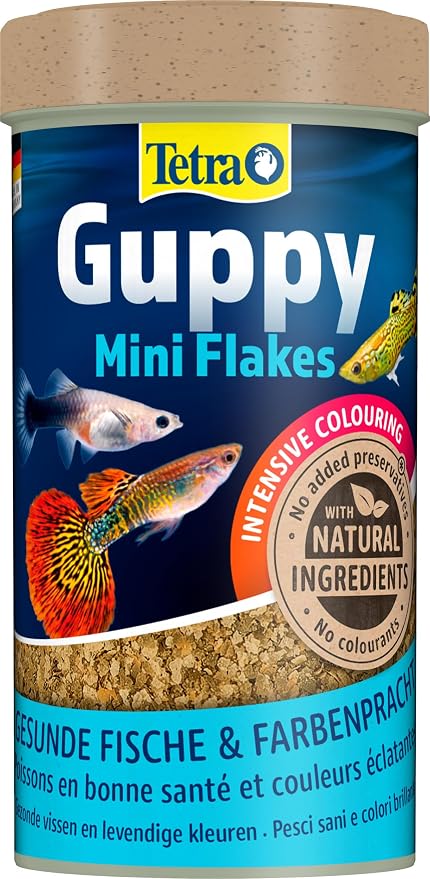
These are Amazon affiliate links. If you buy through them, I may receive a small commission at no extra cost to you. It helps keep this website free. Thank you!
Sources
- FishBaseFroese y Pauly (eds.), 2026. FishBase.
- Rodriguez (1997)Rodriguez, C.M. (1997). Phylogenetic analysis of the tribe Poeciliini. Copeia, 1997(4): 663–679.
Plan your next aquarium
Is this fish right for you? Plan a suitable aquarium before setting it up.